NAD+
A dinucleotide cofactor with more than a century of chemical history.
Structure & history · Laboratory research reference

Quick facts
- Compound class
- Pyridine dinucleotide coenzyme · not a peptide
- Origins & first reports
- Fermentation cofactor activity described by Harden and Young in 1906.
No amino-acid count applies. Formula and mass are omitted because protonation, counterions and hydration vary.
Did you know?
- Adenine and nicotinamide nucleotides are joined through their phosphate groups.
- NAD+ denotes the oxidized nicotinamide form; NADH denotes the reduced form.
- The common biological form is the beta isomer; an alpha isomer also exists.
Published research
- 2018Clinical
Nature Communications
Randomised crossover design measuring blood NAD+ metabolites with the NAD+ precursor nicotinamide riboside; described by design and topic only.
View on PubMed - 2022Clinical
Cell Metabolism
Randomised phase I trial design measuring cerebral NAD levels with nicotinamide riboside; described by design and topic only.
View on PubMed - 2019Clinical
Cell Reports
Measured the skeletal muscle NAD+ metabolome and transcriptome in a controlled design; described by design and topic only.
View on PubMed
Summaries describe published research for reference only. Peptiora materials are supplied for in-vitro laboratory research and are not intended for human or veterinary use.
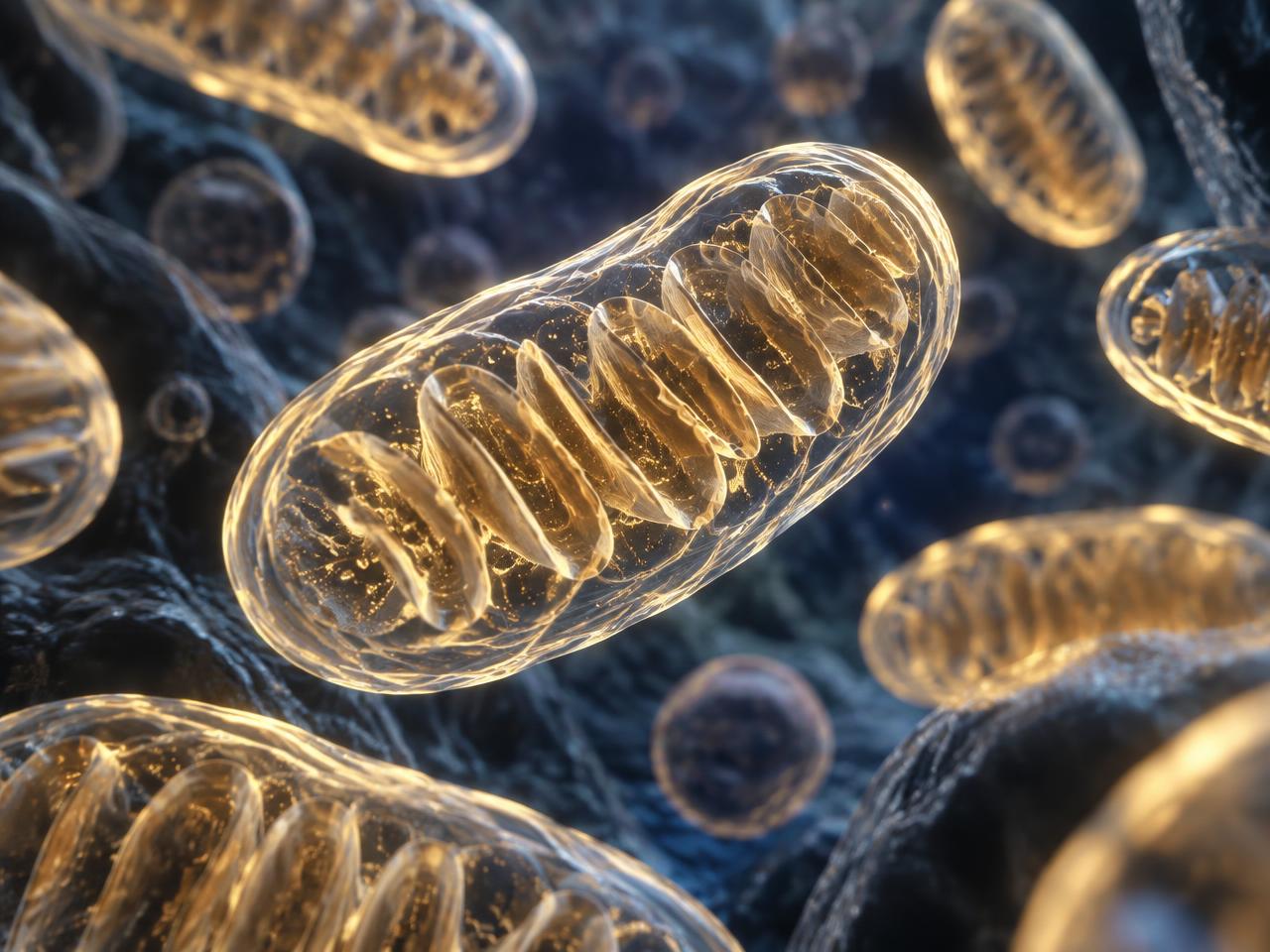
Research timeline
1906
Harden and Young described fermentation cofactor activity.
1930s
Isolation and chemical characterization advanced.
1950
Alexander Todd reported laboratory synthesis of NAD.
Source notes
Research materials & tools
Related peptides & research materials
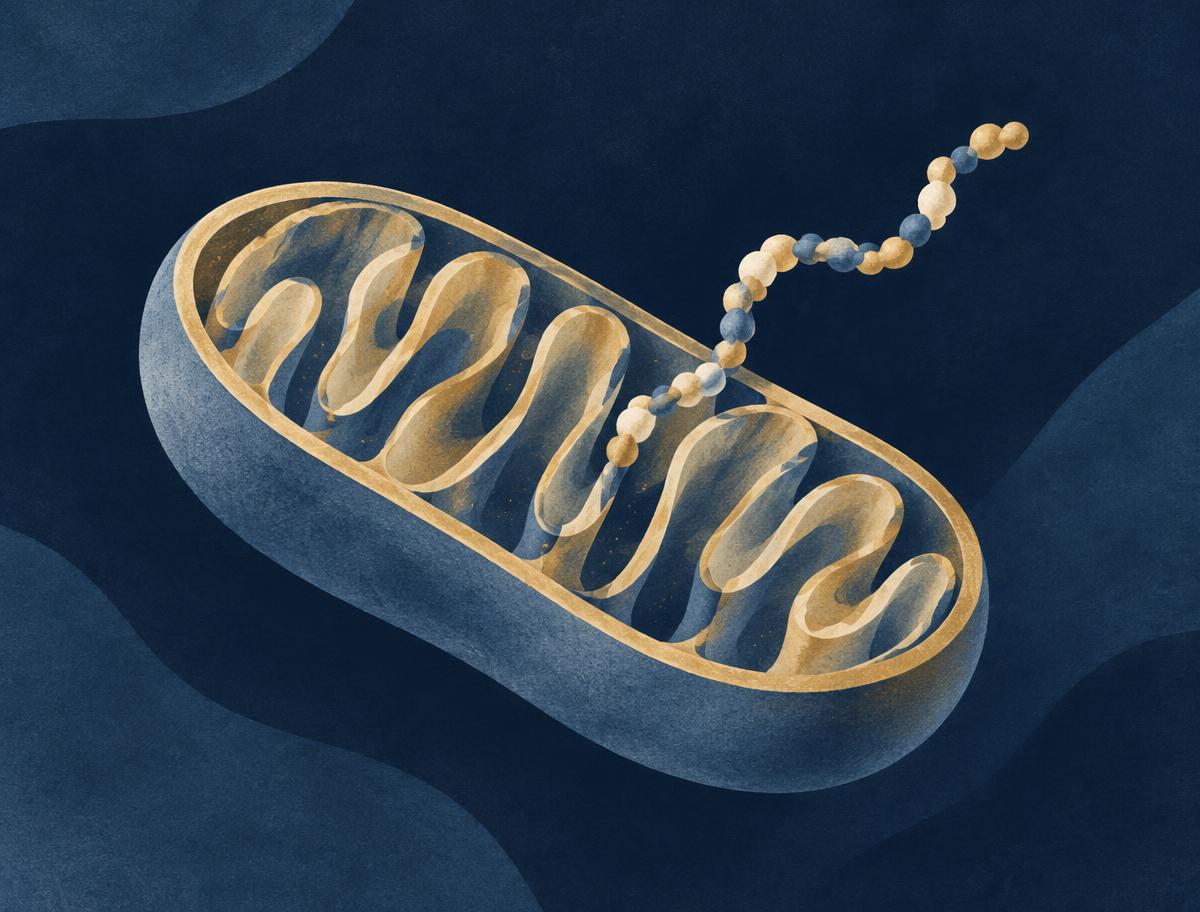
Cellular Biochemistry · 4 min read
MOTS-c
A short sequence reported within the mitochondrial 12S rRNA region. Mitochondrial-derived peptide.
Read article
Cellular Biochemistry · 4 min read
Glutathione
A tripeptide connected through an unusual gamma-glutamyl bond. Gamma-glutamyl tripeptide.
Read articleAll products supplied by Peptiora are for laboratory research use only (RUO). Not for human or veterinary use, diagnostic use, or therapeutic use.